
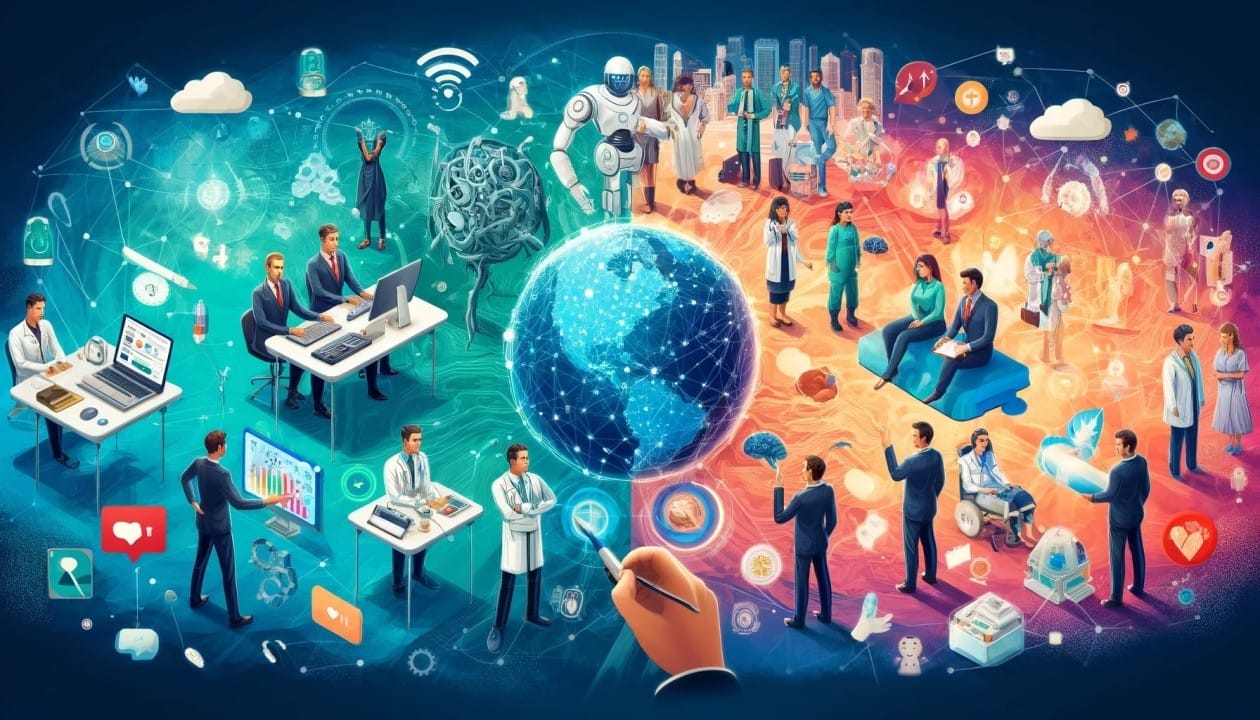
The digital economy refers to economic activities powered by digital technologies, online platforms, and data-driven systems. It has reshaped how businesses operate, how people work, and how value is created and exchanged. From e-commerce and digital payments to cloud computing and online services, the digital economy is now a central force in global development.
At the heart of the digital economy is connectivity. The widespread availability of the internet and mobile devices has enabled instant access to information, markets, and services. Businesses can reach customers beyond physical boundaries, while individuals can participate in economic activities from virtually anywhere. This connectivity has lowered entry barriers and expanded economic opportunities.
Technology plays a key role in enabling the digital economy. Cloud infrastructure, data analytics, and automation tools allow organizations to operate efficiently and scale quickly. Digital platforms streamline operations, improve collaboration, and support real-time decision-making. As a result, productivity has increased across multiple industries.
Another defining feature of the digital economy is data as an economic asset. Organizations rely on data to understand consumer behavior, optimize processes, and innovate products and services. Data-driven insights help businesses stay competitive and responsive to market changes. Responsible data management and privacy considerations are becoming increasingly important as data usage grows.
The digital economy has also transformed employment patterns. Remote work, digital freelancing, and online entrepreneurship have created flexible income opportunities. Individuals can monetize skills through digital platforms, while businesses benefit from access to a global talent pool. This shift has changed traditional workplace structures and expanded career options.
Financial systems have evolved alongside the digital economy. Digital payments, online banking, and financial technology solutions support faster and more secure transactions. These systems improve financial inclusion by offering accessible services to underserved populations. Digital finance is a critical enabler of economic participation in a connected world.
Innovation thrives within the digital economy. Startups and established organizations alike leverage digital tools to experiment, adapt, and grow. Rapid innovation cycles encourage creativity and continuous improvement. However, innovation also brings challenges such as cybersecurity risks, regulatory adaptation, and digital skill gaps.
In summary, the digital economy represents a fundamental shift in how economies function. It empowers individuals, enhances business efficiency, and fosters global connectivity. As digital technologies continue to evolve, the digital economy will remain a key driver of sustainable growth and economic transformation.